Laid Out to Shed Water
Sidehill grades and rolling grade dips move water off the trail instead of down it. That single decision is the difference between a trail and a ditch.
Trail Cutting
Driveable ATV and UTV trails cut on the line you choose, laid out to shed water and stay put, not to wash out the first wet spring.
Most people around here own more ground than they can actually reach. A cut trail changes that. It turns the back forty from something you look at on a plat map into somewhere you ride, hunt, cut firewood, or take the grandkids on a Sunday afternoon.
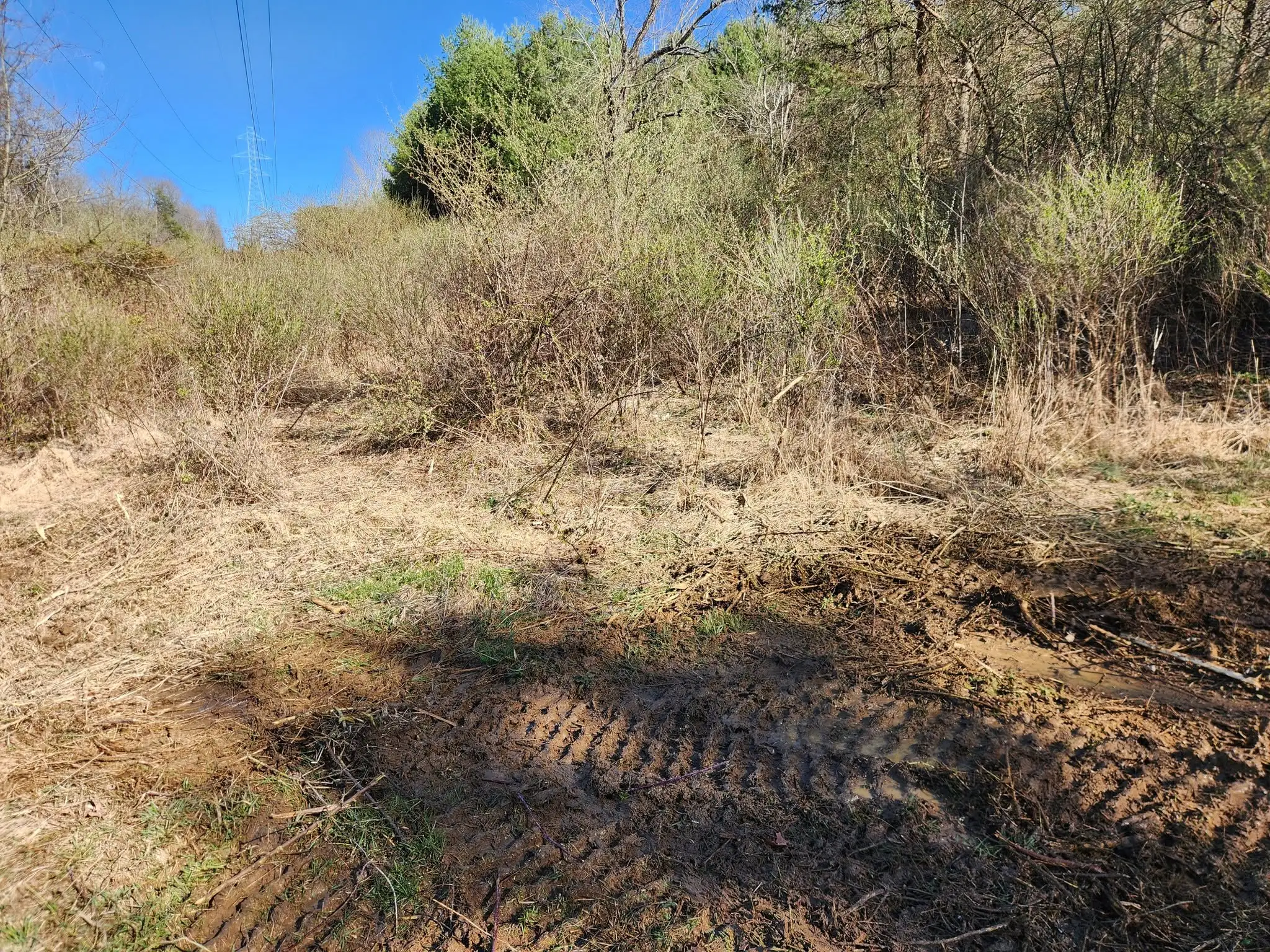
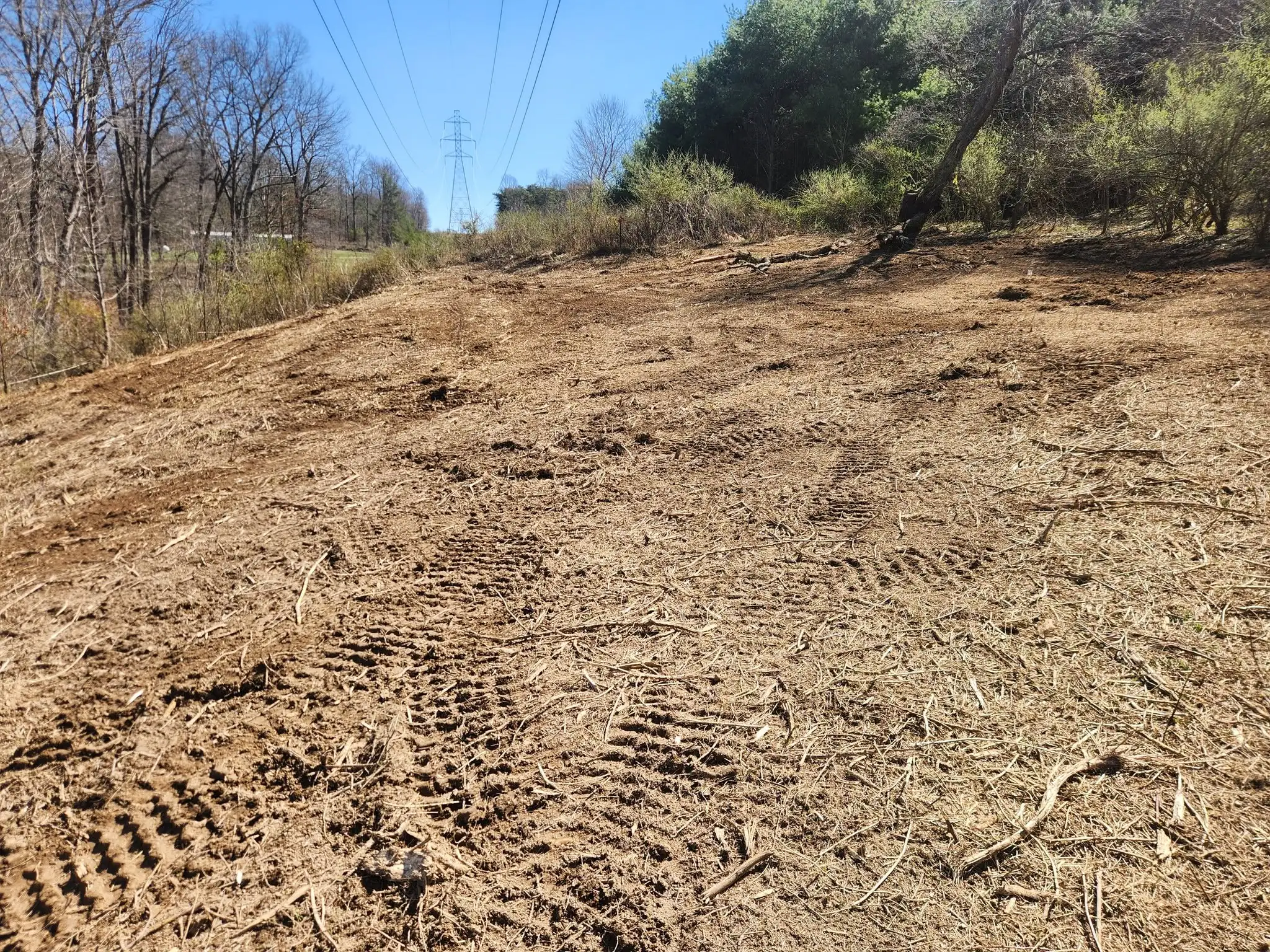
We cut for side-by-sides, four-wheelers, walking loops, and equipment access, including the lane you need to get a tractor or a trailer to a back field. The mulching head grinds the growth in the path and leaves the chips as a running surface, so the trail is useable the same day.
Layout matters more than horsepower. A trail cut straight up a grade is gone in two seasons; one cut across the slope with grade breaks lasts. If the trail is really about getting to stands and plots, hunting property prep covers the whole package.
Why It Lasts
Sidehill grades and rolling grade dips move water off the trail instead of down it. That single decision is the difference between a trail and a ditch.
Six feet for a four-wheeler, eight for a side-by-side, ten to twelve if a tractor or trailer has to get back there. Tell us what drives it and we cut to fit.
We bend the line around hardwoods worth keeping. Curves make a better ride anyway. A trail does not have to be straight to be good.
Grinding at the surface leaves the root mat holding the slope together. A dozer cutting bench into the same hill leaves you with bare soil and a washout.
The chip layer is the running surface. There is no waiting on gravel, no second contractor, and nothing to clean up before you can use it.
We flag the route with you first. Nothing is more permanent than a trail in the wrong place, so the line gets agreed on before the head ever spins.
How It Runs
Rough route, what drives it, and what it connects: the barn, a stand, a creek bottom, the back gate.
Trail jobs earn a site walk. We ribbon the route, work the grades, and route around the trees worth saving.
The path gets ground to width, and grade breaks go in wherever water would otherwise start running the trail.
We run the finished trail with you and open up any pinch points before the machine loads out.
Real Jobs
Straight Answers
Eight feet of cleared width is the sweet spot for a side-by-side. That gives you roughly six feet of running surface plus room for the brush to lean back in without scratching mirrors. A four-wheeler-only trail works at six feet. If you want to get a tractor, a trailer, or a truck back there, plan on ten to twelve.
Usually, and the line matters more than the machine. Running straight up a grade makes a trail that washes out by the second season. Cutting across the slope on a gentle sidehill grade, with the occasional grade break to shed water, gives you something that lasts. We will walk the ground and lay the line where it will still be there in five years.
Not if water is given somewhere to go. The mulch layer left behind is itself good erosion protection, and rolling grade dips built into the line move water off the trail instead of letting it run the length of it. Trails that fail almost always failed because they were cut straight down a hill with no drainage.
Trail work is priced by the day rather than the mile, because a mile through open hardwoods and a mile through greenbrier and blowdown are entirely different days. As a rough guide, a machine can open a good bit of straightforward trail in a day. Send photos and the rough route and we will tell you how many days we expect.
Around them, wherever the line allows. Curving a trail past a good hardwood costs nothing and makes the ride better. Trees that sit dead center in the only workable route come out. On hunting properties we will also deliberately bend a trail to keep it out of sight of a stand or a bedding area.
Free Estimate
Three fields to start. Tell us the rough route and what drives it, and we will tell you how many days it takes.
Step 1 of 5
We'll reach out within 24 hours, usually a lot sooner. While you wait, see what your property could look like.